Introduction
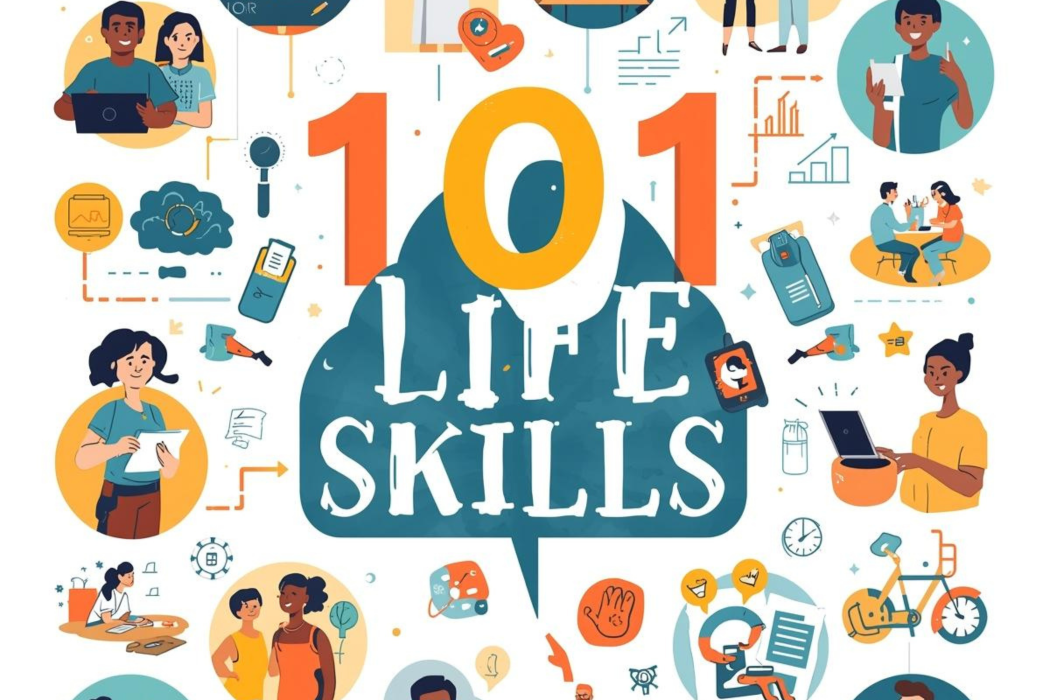
Life is full of unexpected challenges, and academics alone can’t prepare students for everything. That’s where life skills come in. Skills like resilience, empathy, and leadership equip young minds to handle difficulties, build meaningful relationships, and confidently navigate the future.
At CMR International School Suraram (CMRIS), life skills are embedded in everyday learning. Think of it like giving students a Swiss Army knife—they can face multiple situations with the right tool, whether it’s bouncing back from failure, understanding others, or leading a team.
This guide explores how schools can teach life skills and why they matter more than ever in today’s fast-paced, interconnected world.
1. Why Life Skills Matter in School
Life skills prepare students for challenges beyond exams. They help in personal growth, social interaction, and future careers. Schools that integrate life skills create balanced individuals capable of handling real-world situations.
CMRIS emphasizes holistic learning—students are taught to think critically, act responsibly, and empathize with others.
2. Understanding Resilience
Resilience is the ability to bounce back from setbacks and keep going. It’s not just about enduring difficulties, but learning and growing from them.
Analogy: Resilience is like a bamboo—it bends with the wind but never breaks.
3. Practical Ways to Build Resilience
- Encourage students to set realistic goals and celebrate small achievements
- Use challenges in learning as opportunities for growth
- Teach stress-management techniques like deep breathing and mindfulness
- Share stories of perseverance from real-life role models
At CMRIS, students participate in activities that gradually increase in difficulty, helping them learn persistence and patience.
4. Teaching Empathy to Students
Empathy is the ability to understand and share the feelings of others. It fosters social connection, reduces conflict, and builds compassionate leaders.
Tip: Encourage students to listen actively and consider others’ perspectives before reacting.
5. Activities to Foster Empathy
- Role-playing exercises where students step into another’s shoes
- Community service projects to understand different lifestyles
- Group discussions on ethical dilemmas or social issues
- Reflective journaling to explore personal feelings and reactions
CMRIS integrates empathy exercises in daily activities and peer interactions to strengthen emotional intelligence.
6. Leadership Skills for Young Learners
Leadership is about guiding and inspiring others. It involves responsibility, vision, and decision-making.
Tip: Assign small leadership roles in classrooms, clubs, or school events to practice initiative.
7. Developing Decision-Making and Responsibility
Life skills include the ability to make thoughtful decisions and take responsibility for outcomes. Students learn to weigh pros and cons, anticipate consequences, and reflect on their choices.
Example: Planning a school event or organizing a project helps students practice responsible decision-making.
8. Effective Communication as a Life Skill
Communication skills enable students to express ideas clearly, listen actively, and collaborate effectively. Writing, speaking, and non-verbal cues are all part of this skill.
CMRIS emphasizes debate, presentations, and group discussions to enhance communication.
9. Teamwork and Collaboration
Working in teams teaches students negotiation, cooperation, and problem-solving. It also fosters empathy and leadership as students navigate different personalities and ideas.
Tip: Use project-based learning to promote practical collaboration skills.
10. Time Management and Self-Discipline
Life skills include managing time effectively and maintaining discipline. Students learn to prioritize tasks, avoid procrastination, and balance academics with extracurriculars.
CMRIS encourages planning tools like schedules, goal-setting charts, and reflection journals.
11. Problem-Solving and Critical Thinking
Critical thinking helps students approach challenges logically and creatively. Problem-solving teaches them to identify problems, brainstorm solutions, and evaluate outcomes.
Tip: Include real-world scenarios in lessons to make problem-solving practical and engaging.
12. Adaptability and Flexibility
Change is inevitable. Life skills include adapting to new situations, learning from experiences, and staying positive despite uncertainty.
CMRIS uses workshops, role-playing, and interactive learning to develop flexibility and adaptability.
13. Mindfulness and Emotional Regulation
Students must understand their emotions and respond thoughtfully. Mindfulness, meditation, and reflection help regulate stress, improve focus, and enhance emotional intelligence.
Tip: Short daily mindfulness exercises can make a lasting impact on resilience and empathy.
14. Incorporating Life Skills into Daily Learning
Life skills should be integrated seamlessly with academics. Activities like group projects, discussions, presentations, and service learning help students practice skills in real contexts.
CMRIS designs curricula that blend knowledge with practical life applications.
15. Measuring Life Skills Growth in Students
Growth can be assessed through:
- Observing problem-solving and decision-making in class
- Evaluating teamwork and communication skills
- Monitoring emotional responses and coping strategies
- Feedback from teachers, peers, and self-reflection exercises
At CMRIS, holistic assessment ensures students are developing not only academically but also socially and emotionally.
Conclusion
Life skills like resilience, empathy, and leadership are essential for students to thrive in today’s dynamic world. Schools like CMR International School Suraram equip students with the tools to handle challenges, build relationships, and lead confidently. By fostering these skills from an early age, students develop the foundation to succeed academically, socially, and personally.
FAQs
1. Why are life skills important in education?
They prepare students for real-world challenges, personal growth, and social interactions beyond academics.
2. How can resilience be taught to students?
Through challenges, goal-setting, mindfulness, reflection, and supportive guidance from teachers and parents.
3. What are effective ways to teach empathy?
Role-playing, community service, peer discussions, and reflective journaling help students understand others’ feelings.
4. How does leadership skill benefit students?
Leadership builds initiative, responsibility, collaboration, and confidence, preparing students to take charge of projects and future endeavors.
5. How can schools assess life skills development?
Through observation, project-based assessments, peer and teacher feedback, and reflective exercises that evaluate decision-making, communication, and emotional intelligence.
For more information about holistic education and life skills programs at CMRIS: CMRIS Admissions 2026-27 or call +91 7993017777.