
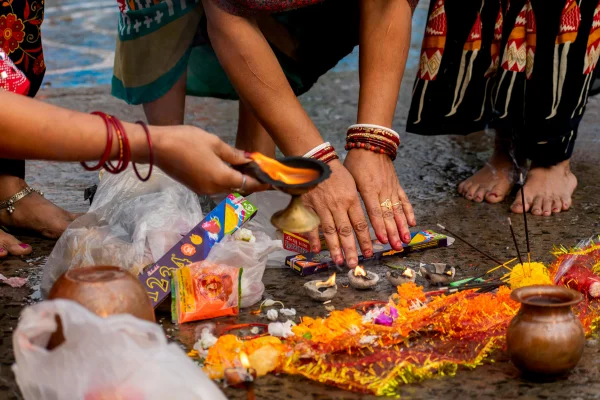
Festivals are more than dates on a calendar — they are living lessons in culture, values, and togetherness. Sankranthi, one of India’s most cherished harvest festivals, brings with it warmth, gratitude, and renewal. At CMR International School, Suraram (CMRIS), Sankranthi is celebrated not just as a cultural event, but as an experiential learning opportunity where students understand traditions while creating joyful memories.
Just like a kite that rises higher when the string is held firmly, children grow stronger when they stay connected to their roots. At CMRIS, Sankranthi becomes that string — grounding students in tradition while allowing their curiosity and creativity to soar.
1. What is Sankranthi and Why It Matters
Sankranthi marks the transition of the Sun into Capricorn, symbolizing change, hope, and prosperity. It is celebrated across India in different forms — Pongal, Lohri, and Magh Bihu — but the spirit remains the same: gratitude for nature’s bounty and respect for farmers.
For students, learning about Sankranthi is an opportunity to understand India’s agricultural roots, seasonal cycles, and cultural diversity in a meaningful way.
2. Sankranthi: A Festival of Gratitude and Renewal
At its heart, Sankranthi teaches gratitude — to the Sun, the Earth, animals, and farmers. It reminds us that growth begins with appreciation.
At CMRIS, students learn that festivals aren’t just about celebration; they’re about acknowledging effort, sharing happiness, and welcoming new beginnings.
3. Why Celebrating Festivals at School Is Important
Schools play a crucial role in keeping traditions alive. When festivals are celebrated in classrooms and campuses:
- Children develop cultural awareness
- Learning becomes joyful and experiential
- Values are taught naturally, not theoretically
- A sense of belonging and unity is strengthened
That’s why cultural celebrations are an integral part of life at CMR International School, Suraram.
4. CMRIS Approach to Cultural Learning
At CMRIS, festivals are blended with academics and values. Sankranthi celebrations include:
- Storytelling sessions
- Hands-on activities
- Group discussions
- Creative expression through art and performance
This approach ensures students don’t just celebrate — they understand and reflect.
5. Traditional Decorations and Campus Transformation
During Sankranthi, the CMRIS campus transforms into a vibrant cultural space. Entrances are adorned with:
- Colorful rangoli
- Traditional motifs
- Floral decorations
Students actively participate in decorating the school, learning teamwork and artistic expression while connecting with traditional practices.
6. Sankranthi Assemblies: Learning Through Stories
Morning assemblies during Sankranthi week focus on:
- The story behind the festival
- Regional variations of Sankranthi
- Importance of agriculture and seasonal change
Through skits, speeches, and songs, students gain confidence while learning cultural history in an engaging way.
7. Bhogi and the Message of New Beginnings
Bhogi, the first day of Sankranthi, symbolizes letting go of the old and welcoming the new. At CMRIS, this idea is beautifully connected to:
- Personal growth
- Positive habits
- Self-reflection
Students discuss what they want to improve in the new year — turning tradition into a life lesson.
8. Pongal Traditions and Hands-On Learning
Students explore the significance of Pongal through:
- Demonstrations of traditional cooking
- Discussions on harvest and crops
- Learning about farmers’ contributions
This hands-on approach helps students appreciate food, effort, and sustainability — lessons that stay for life.
9. Kite Flying: Fun with Physics and Teamwork
Kite flying is one of the most joyful aspects of Sankranthi. At CMRIS, it becomes a learning experience where students understand:
- Wind direction and force
- Balance and control
- Teamwork and coordination
What seems like play turns into applied science and collaboration.
10. Folk Art, Music, and Dance at CMRIS
Sankranthi celebrations include folk dances, music, and art forms that reflect regional traditions. Students perform:
- Traditional dances
- Folk songs
- Cultural skits
These performances help children overcome stage fear and develop confidence while staying connected to heritage.
11. Traditional Attire and Cultural Pride
Students and teachers dress in traditional attire, creating an atmosphere of warmth and pride. Wearing ethnic clothes helps children:
- Appreciate cultural identity
- Respect diversity
- Feel connected to tradition
At CMRIS, tradition is worn with confidence and joy.
12. Values and Life Lessons from Sankranthi
Sankranthi teaches timeless values such as:
- Gratitude
- Respect for nature
- Sharing and generosity
- Community bonding
At the Best CBSE School in Suraram, these values are not taught through lectures, but through lived experiences.
13. Role of Teachers in Cultural Education
Teachers at CMRIS act as guides and storytellers. They:
- Explain the significance of traditions
- Encourage student participation
- Connect cultural values with daily life
Their role ensures celebrations remain meaningful, inclusive, and educational.
14. Parent Participation and Community Bonding
Parents play an important role in Sankranthi celebrations at CMRIS. Their involvement:
- Strengthens school–home connection
- Helps children see unity in community
- Makes celebrations richer and more authentic
Festivals become shared memories that go beyond classrooms.
15. Why CMRIS Stands Out as the Best CBSE School in Suraram
What makes CMR International School, Suraram special is its commitment to holistic education. Academics, values, culture, and creativity go hand in hand.
By celebrating festivals like Sankranthi with depth and purpose, CMRIS ensures students grow into:
- Culturally rooted individuals
- Confident learners
- Responsible citizens
This balance truly defines the Best CBSE School in Suraram.
16. Conclusion: Carrying Traditions Forward
Sankranthi at CMRIS is more than a celebration — it’s a journey of learning, joy, and connection. By blending tradition with education, students learn to respect their roots while preparing for the future.
As the kites rise high and smiles grow wider, one thing becomes clear: when education embraces culture, learning becomes meaningful and memorable.
FAQs
1. Why is Sankranthi celebrated at CMRIS?
To help students understand cultural traditions, values, and the importance of gratitude and community.
2. How does Sankranthi celebration support learning?
It promotes experiential learning through activities, storytelling, art, and discussions.
3. Are parents involved in Sankranthi celebrations?
Yes, parents actively participate, strengthening community bonding.
4. What values do students learn from Sankranthi?
Gratitude, respect for nature, teamwork, sharing, and cultural pride.
5. Why is CMRIS known as the Best CBSE School in Suraram?
Because it combines academic excellence with strong values, cultural education, and holistic development.