
Smart Classrooms vs Traditional Teaching Methods
Finding the right learning environment for children has become more important than ever. Today, education is not just about books, homework, and exams. Parents now look for schools that help children understand concepts better, think creatively, and enjoy learning. This is where the debate between smart classrooms and traditional teaching methods begins.
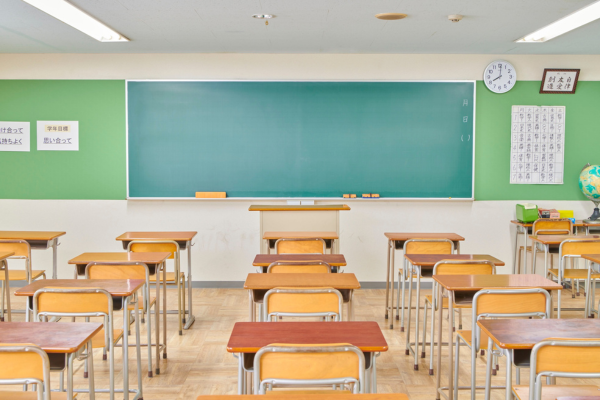
For many years, traditional classrooms were the heart of education. Teachers used blackboards, chalk, and textbooks to teach students. While this method created strong academic foundations, modern technology has introduced smart classrooms that make learning more interactive and engaging.
Think of education like traveling from one city to another. Traditional teaching is like using a paper map — reliable and simple. Smart classrooms are like GPS navigation — interactive, faster, and visually guided. Both help you reach your destination, but the experience is very different.
Today, many parents searching for the Best International schools in Suraram are interested in schools that successfully combine technology with quality teaching. Let us explore how smart classrooms and traditional teaching methods differ and which approach benefits students the most.
1. Understanding Traditional Teaching Methods
Traditional teaching methods have been used for generations and still remain an important part of education.
In this system, teachers mainly use:
- Chalkboards
- Textbooks
- Written notes
- Lectures
- Homework assignments
Students listen to teachers, write notes, and learn lessons through reading and repetition.
Teacher-Centered Learning
The classroom mainly focuses on the teacher explaining lessons while students listen carefully.
Strong Discipline and Structure
Traditional methods often create disciplined learning environments where students follow routines and schedules.
Foundation-Based Education
This method helps students develop basic reading, writing, and memorization skills effectively.
Even today, traditional teaching plays a valuable role in building academic fundamentals.
2. What Are Smart Classrooms?
Smart classrooms use technology to make learning interactive, visual, and engaging.
These classrooms may include:
- Smart boards
- Digital screens
- Educational videos
- Animations
- Online learning tools
- Interactive presentations
Instead of only reading about a topic, students can watch, listen, and interact with lessons.
Visual Learning Experience
Complex topics become easier when students can see diagrams, videos, and animations.
Interactive Participation
Students actively participate in quizzes, discussions, and digital activities.
Smart classrooms make learning feel more exciting and enjoyable for children.
3. Evolution of Modern Education
Education has changed significantly over the years.
Earlier, learning focused mainly on memorizing information. Today, schools aim to develop:
- Creativity
- Communication skills
- Critical thinking
- Problem-solving abilities
- Technological knowledge
Modern education encourages students to understand concepts instead of simply remembering answers.
This shift is one reason many schools are moving toward smart learning environments.
4. Advantages of Traditional Teaching
Traditional classrooms still offer several important benefits.
Direct Teacher Interaction
Face-to-face teaching helps students build strong relationships with teachers.
Better Focus on Basics
Writing notes and reading textbooks improve handwriting, concentration, and memory.
Less Dependency on Technology
Students learn without distractions caused by devices or internet issues.
Structured Learning Environment
Traditional classrooms often maintain discipline and regular study habits.
These strengths make traditional teaching valuable even in today’s digital age.
5. Limitations of Traditional Classrooms
While traditional methods are effective in many ways, they also have limitations.
Limited Visual Learning
Some concepts are difficult to explain only through words and textbooks.
Reduced Student Interaction
Students may become passive listeners instead of active participants.
Monotonous Learning Experience
Long lectures can sometimes make classes feel repetitive and less engaging.
Different Learning Speeds
Not every student learns at the same pace, but traditional classrooms may not always address individual needs effectively.
This is where smart classrooms can make a difference.
6. Benefits of Smart Classrooms
Smart classrooms bring many advantages to modern education.
Improved Understanding
Visual explanations help students understand difficult concepts faster.
For example, watching a science experiment video often creates better understanding than simply reading about it.
Interactive Learning
Students actively participate instead of only listening to lectures.
Higher Student Engagement
Digital tools keep students interested and focused during lessons.
Fun and Exciting Learning
Technology transforms classrooms into engaging learning spaces.
Children enjoy learning more when lessons include videos, animations, and activities.
7. How Technology Improves Learning
Technology has changed the way students absorb information.
Faster Access to Information
Students can explore educational resources instantly through digital tools.
Creative Learning Methods
Interactive presentations encourage creativity and imagination.
Practical Understanding
Visual demonstrations improve practical knowledge and concept clarity.
Better Memory Retention
Studies show that students often remember visual content longer than plain text.
Technology helps make learning more effective and memorable.
8. Student Engagement in Smart Learning
One major advantage of smart classrooms is increased student participation.
Active Involvement
Students answer quizzes, join discussions, and participate in activities during lessons.
Collaborative Learning
Technology allows students to work together on projects and presentations.
Confidence Building
Interactive learning reduces fear and encourages students to express ideas freely.
When children enjoy learning, they naturally become more interested in education.
9. Role of Teachers in Both Methods
Technology can support education, but teachers remain the heart of learning.
Teachers in Traditional Classrooms
Teachers mainly guide lessons through lectures, explanations, and written practice.
Teachers in Smart Classrooms
Teachers act as facilitators who use technology to explain concepts more effectively.
Technology Cannot Replace Teachers
No digital tool can replace the emotional support, guidance, and motivation provided by teachers.
The best learning happens when skilled teachers use technology wisely.
10. Smart Classrooms and Future Skills
The future belongs to students who are comfortable with technology and innovation.
Smart classrooms help students develop:
- Digital literacy
- Creativity
- Communication skills
- Problem-solving abilities
- Research skills
These qualities are essential for future careers and higher education.
Parents searching for the Best International schools in Suraram often prefer schools that prepare students for the digital future.
11. Challenges of Smart Classrooms
Although smart classrooms offer many advantages, they also come with challenges.
Dependence on Technology
Technical issues like internet problems or power cuts can affect learning.
Higher Costs
Setting up smart classrooms requires investment in digital equipment.
Distractions
Students may sometimes become distracted by gadgets or screens.
Teacher Training Requirements
Teachers need proper training to use technology effectively.
Schools must manage these challenges carefully for successful implementation.
12. Why Balance Matters in Education
The best education system combines both traditional and smart teaching methods.
Combining Strengths
Traditional teaching builds discipline and academic basics, while smart learning improves understanding and creativity.
Balanced Student Development
Students benefit from both structured learning and interactive experiences.
Practical and Theoretical Learning
A balanced approach helps students gain both conceptual knowledge and practical understanding.
This combination creates confident and well-rounded learners.
13. What Parents Expect from Modern Schools
Parents today expect schools to provide more than academic success.
They look for:
- Modern infrastructure
- Safe learning environments
- Technology integration
- Skilled teachers
- Personality development
- Holistic education
Families want schools that prepare children not only for exams but also for life.
That is why smart classrooms are becoming increasingly important in modern education systems.
14. Why Schools in Suraram Are Adopting Smart Learning
Many educational institutions in Suraram are embracing technology to improve learning experiences.
Modern Educational Standards
Schools are upgrading classrooms to match global education trends.
Student-Centered Learning
Interactive learning methods help students understand concepts more effectively.
Growing Parent Expectations
Parents now prefer schools that combine academic excellence with modern learning tools.
This shift is helping educational institutions evolve and provide better opportunities for students.
Many parents searching for the Best International schools in Suraram now consider smart classroom facilities an important factor while choosing schools.
15. Final Thoughts
Education is evolving rapidly, and both traditional teaching methods and smart classrooms have important roles to play.
Traditional teaching creates strong academic foundations, discipline, and teacher-student bonding. On the other hand, smart classrooms make learning interactive, visual, and engaging for today’s generation.
The ideal learning environment is not about choosing one over the other. It is about combining the strengths of both approaches to create a balanced education system. Schools that successfully integrate technology with strong teaching values can help students become knowledgeable, creative, and future-ready individuals.
As education continues to change, parents searching for the Best International schools in Suraram are increasingly looking for institutions that offer modern learning experiences while maintaining strong educational values.
FAQs
1. What is the main difference between smart classrooms and traditional teaching methods?
Traditional teaching mainly uses textbooks and lectures, while smart classrooms use technology like digital boards, videos, and interactive tools for learning.
2. Are smart classrooms better than traditional classrooms?
Both methods have advantages. Smart classrooms improve engagement and understanding, while traditional teaching builds discipline and strong academic basics.
3. Do smart classrooms help students learn faster?
Yes, visual and interactive learning often helps students understand and remember concepts more effectively.
4. Can technology replace teachers in classrooms?
No. Technology supports learning, but teachers remain essential for guidance, motivation, and emotional support.
5. Why are parents looking for schools with smart classrooms?
Parents prefer schools with modern learning methods because they help students become more creative, confident, and future-ready.